
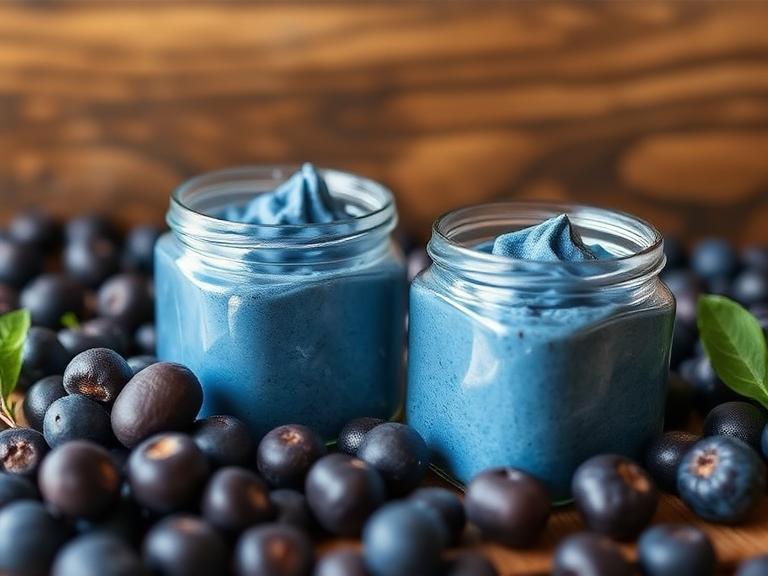
Blue foods don’t get talked about much, but they really stand out when you see them. They catch your eye in a way that reds, greens, and yellows just don’t. Most people can only name a couple—blueberries, blue corn, maybe that bright blue cheese you either love or hate. But that’s part of the appeal. Blue foods are rare, and their scarcity gives them a kind of mystique.
Historically, blue foods were mostly ignored. People used to think blue meant something was spoiled or weird. It’s only recently that they’ve started showing up everywhere—thanks to superfood trends and everyone’s obsession with posting colorful food online. Now, you’ll see butterfly pea flower teas, blue tortillas, and even blue lattes all over the place. Blue foods finally got their invite to the main event, just a bit behind schedule.
Blue in the World’s Celebrations
All over the globe, blue food means more than just dinner—it’s a sign of something bigger.
United States: Blue Corn Piñon Pancakes
Mediterranean: Sea Pantry Mezze Platter
Philippines: Blue Butterfly Pea Rice
Vietnam: Chè hoa đậu biếc
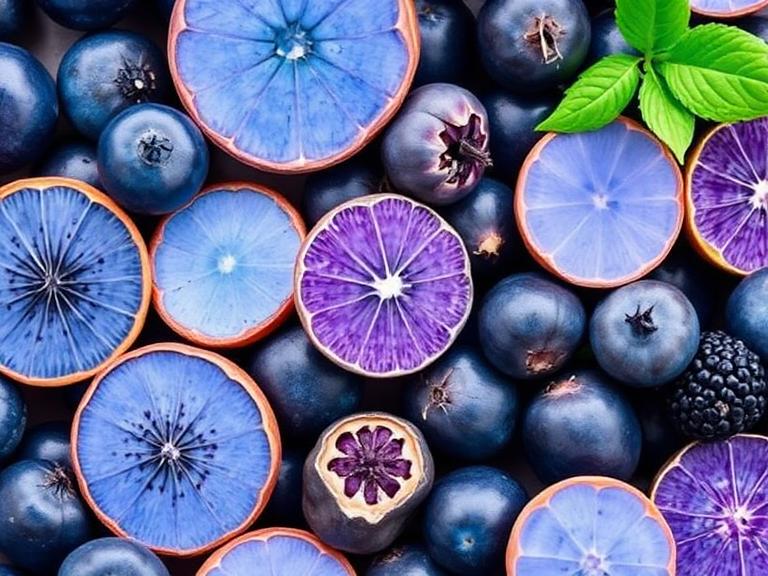
So why are blue foods so rare? It comes down to pigments. Most of the color in plants comes from a handful of pigments: chlorophyll for green, carotenoids for yellow and orange. Blue? That’s anthocyanins’ job, but they’re finicky. They’d rather go purple or red, so true blue foods are few and far between. Genetics doesn’t help either. Making blue pigment is tough work for a plant. It’s like being the only one painting outside the lines in art class—bold, but not easy to pull off. That’s why you don’t see fields of blue veggies or fruits. The few that manage it are kind of special.
When you do find blue foods, they usually have some real nutritional perks. Blueberries, for example, are packed with vitamin C, vitamin K, and manganese. Blue corn? It actually has more antioxidants than yellow corn. So tossing some blue on your plate isn’t just for looks—it’s good for you, too.
Five Blue Recipes You’ve Got to Try
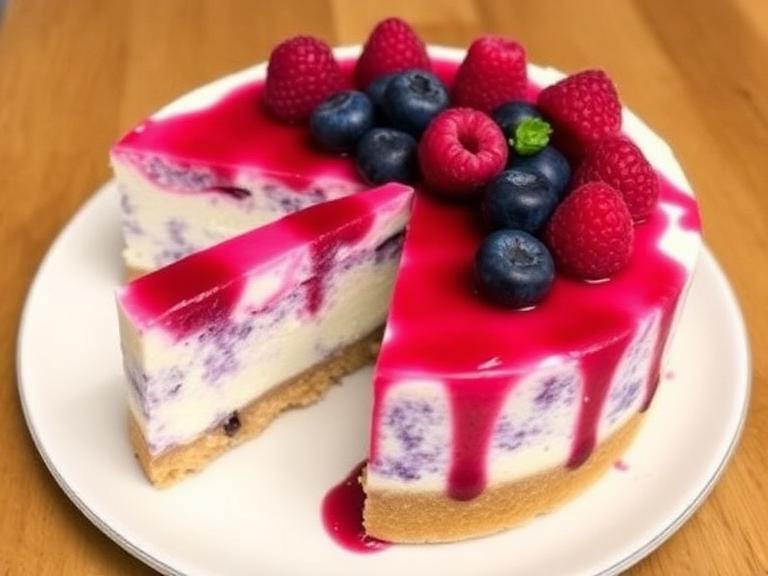
- Blue Raspberry Cheesecake: Here’s a dessert that really pops—creamy blue cheesecake filling, bright and tangy jelly, plus a crisp biscuit base. It’s all plant-based, and honestly, you’ll never miss the dairy.
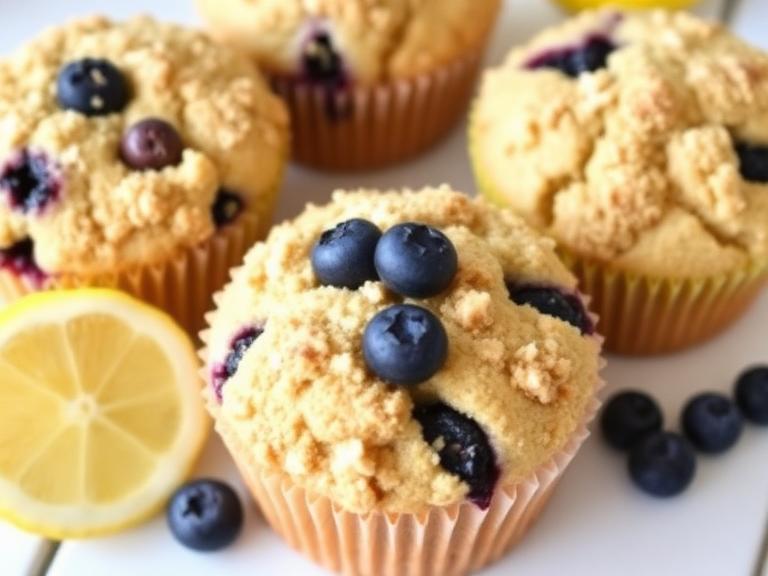
- Lemon Blueberry Streusel Muffins: Big, juicy blueberries and zesty lemon come together in these muffins, topped with sweet, crumbly streusel. They make breakfast or snack time way more exciting.
- Butterfly Pea Flower Rice Krispie treats: These treats look as good as they taste. The natural blue from butterfly pea flower powder, gooey marshmallows, and crunchy puffed rice come together for a snack that’s both eye-catching and delicious.
- Fresh Blue Tortilla Chips: Forget the store-bought stuff. These homemade chips use masa harina and a quick air fry to get perfectly crispy, with a fun blue color that stands out at any snack table.
- Kelp-based Pasta: Light, fresh, and done in under 20 minutes. This dish uses sustainable kelp noodles tossed with tomatoes, herbs, and a simple sauce—really satisfying, and good for the planet too.
Final Thought
Speaking of antioxidants, that blue color is kind of a secret health code. Blue foods are loaded with compounds that help your body fight off inflammation and stress. A bowl of blueberries isn’t just dessert; it’s a little boost for your cells. Who needs magical anti-aging potions when you’ve got a blue fruit smoothie?
Weirdly enough, the color blue also messes with your appetite. Red foods make you want to eat more, but blue has the opposite effect. It’s calming. Kind of makes you slow down and think before you reach for seconds. If you’re trying to cut back on mindless snacking, something blue might actually help.
There’s more to it, too. Blue is tied to all sorts of feelings—calm, nostalgia, even comfort. Think of the ocean or a clear sky. Eating blue foods can tap into those feelings and make the whole experience a little more satisfying. So if you’re feeling down, maybe a blue treat is just what you need. It’s not just food; it’s a mood.